
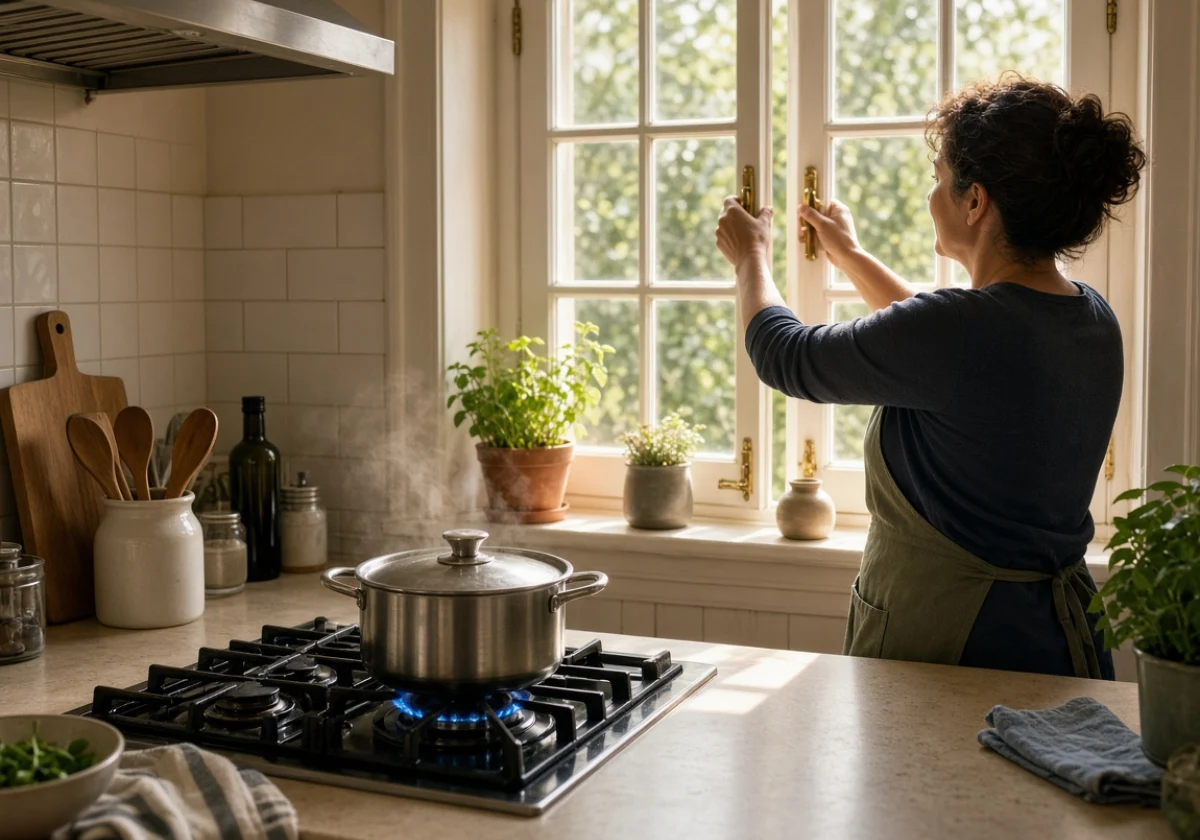
Imagine you’re cooking dinner when you notice something odd. The flame under your pan, usually blue, has turned yellow. Is it just a dirty burner, or is your gas cooktop telling you something’s wrong?
We’ll answer this question in this guide. At Blue Olive, we supply gas cooktops and ovens to Brisbane homes and businesses, so we know why burner performance deserves attention.
Here, you’ll learn what blue and yellow flames indicate, explore four common causes of a yellow flame, and find out how to clean your burners.
What Your Gas Stove’s Flame Colour Means
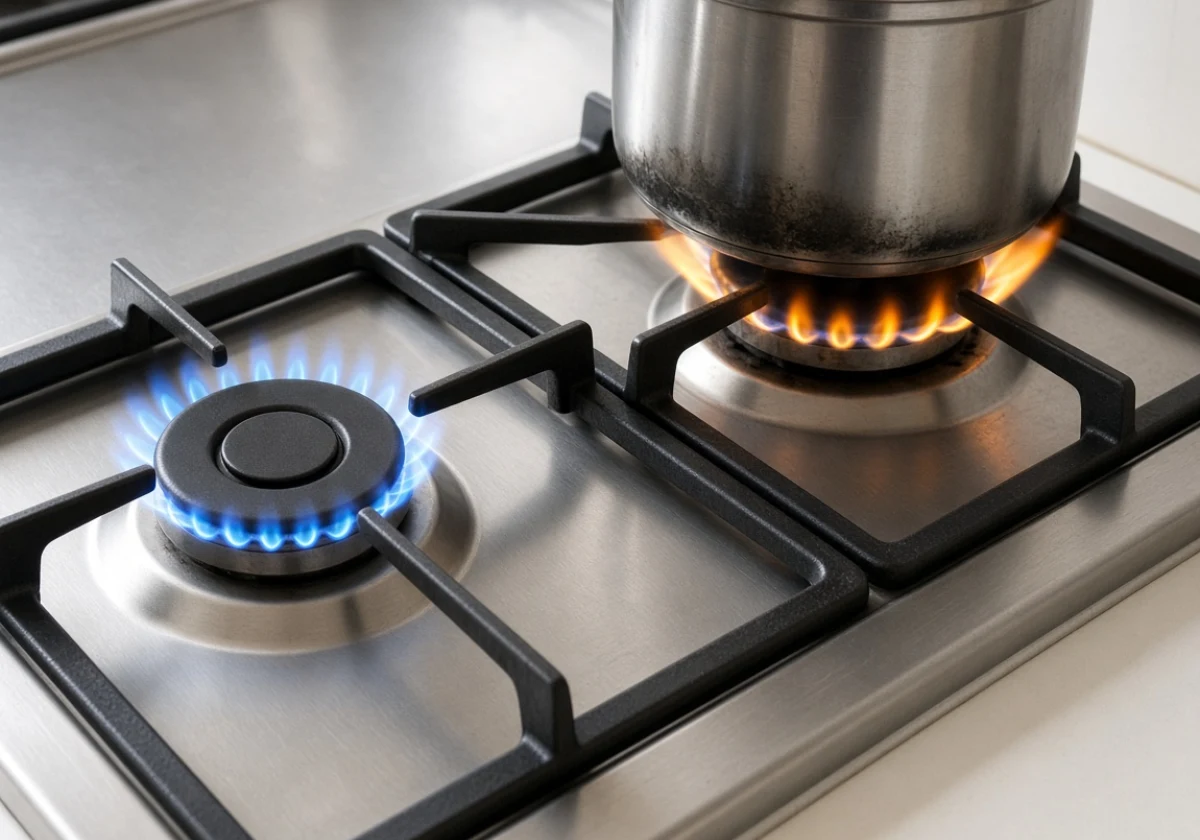
When you turn on your gas stove, you should usually see a steady blue flame around the burner. This is a good sign because it means the gas is getting enough oxygen to burn properly. When the gas burns completely, it produces heat without leaving much soot on your cookware.
But what happens when that flame turns yellow or orange? It can mean the gas isn’t burning as cleanly as it should. This happens when the burner doesn’t get enough air, leaving tiny carbon particles that glow yellow as they heat up.
You might notice the difference when you lift a pot off the stove. A clean blue flame usually leaves the bottom of your cookware looking much as it did before cooking. A yellow flame, on the other hand, can leave black or grey marks that are difficult to wash off.
Flame colour can also give you clues about how well your stove is working. A yellow flame indicates incomplete combustion, which reduces heating efficiency and produces more soot. More importantly, incomplete combustion can produce carbon monoxide, a poisonous gas you can’t see or smell.
So, if your gas stove develops a yellow flame, don’t ignore it. A brief change in colour doesn’t always mean there’s a serious problem, but a persistent yellow flame needs attention. Several issues can cause this change.
The four common causes below explain what might be affecting your burner.
1. Blocked Burner Holes From Food Spills and Grease
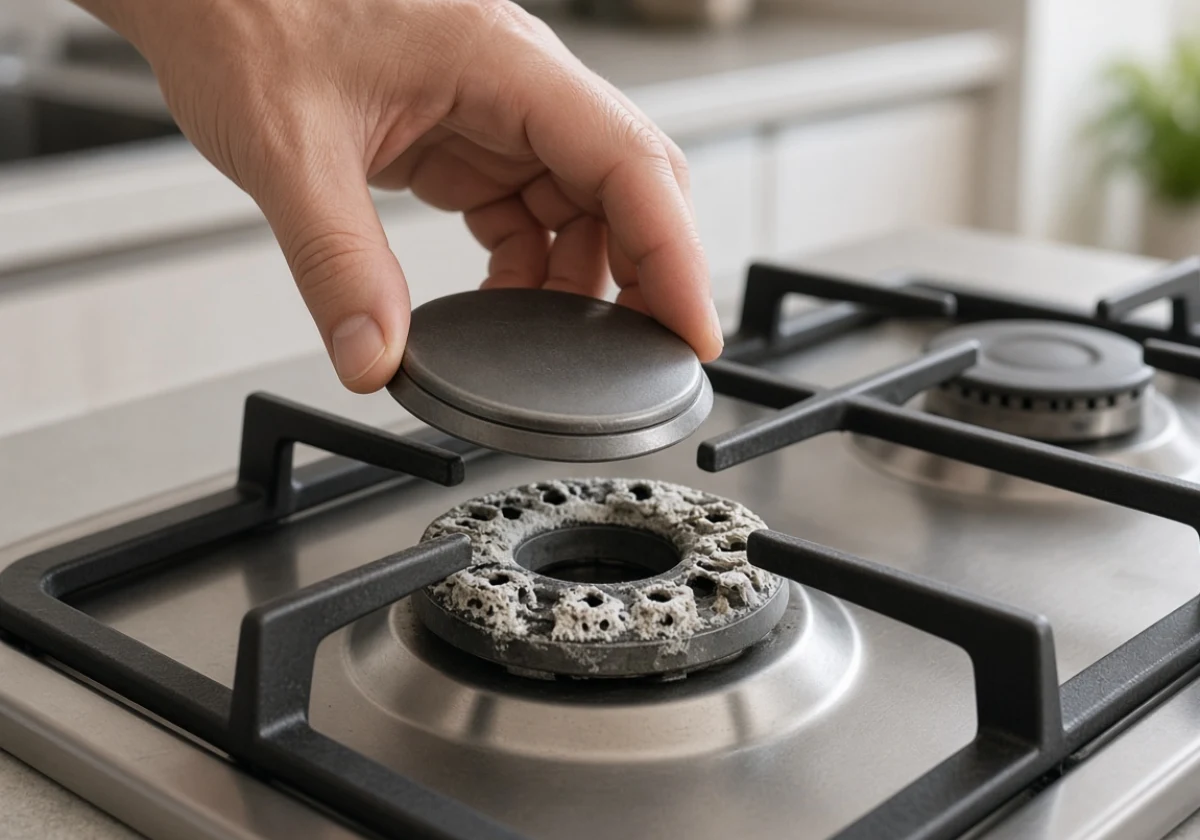
If you look at the ring around your gas cooktop burner, you’ll see a series of small holes along its edge, where the gas comes out and burns. These are called burner ports, and they need to stay clear for the gas to burn properly.
During cooking, food spills and grease can collect around these holes. Sure, a little oil or grease vapour floating around the kitchen won’t do much damage at first. But as time goes on, it mixes with kitchen dust and gradually builds up around the burner openings.
Eventually, this sticky buildup blocks some of the openings and disrupts the gas flow. You might start noticing uneven flames or yellow patches instead of a steady blue ring.
2. Too Little Air Mixing With the Gas
For your gas cooktop to burn gas properly, it needs to mix the fuel with enough air. When that balance is right, the gas burns cleanly and produces a steady blue flame.
But when the gas doesn’t get enough air, it can’t burn completely. The leftover carbon forms soot, which can collect on the bottom of your cookware. You may also notice the flame turning yellow.
3. Low Gas Pressure or a Faulty Regulator
Your gas cooktop needs a steady supply of gas at the correct pressure to burn cleanly. When the pressure drops too low, the flame will weaken and can turn from a sharp blue to a lazy, flickering yellow.
This usually happens due to a faulty pressure regulator or a dying gas supply (like an emptying LPG cylinder). And if several burners turn yellow at the same time, the problem could lie with the gas supply rather than a dirty burner. You might also notice the flames shrink or turn yellow when you switch on multiple burners.
4. Cooktop Set Up for the Wrong Type of Gas
Gas cooktops are stubborn. They’re built to run on one specific type of fuel, either natural gas (from a street line) or LPG (from a propane tank). Because these gases burn completely differently, they require different setups to get that perfect, clean blue flame.
If a cooktop is hooked up to the wrong gas line without a proper conversion kit, the balance is totally ruined. Your stove will get way too much or too little gas for the amount of air available. The result? A weak, sputtering, or wildly yellow flame that leaves black soot all over the bottom of your pans.
How Do You Clean a Gas Cooktop Burner at Home?
Now that you know what can cause a yellow flame, let’s look at how to clean your gas cooktop’s burner. Don’t worry. As long as you follow a few basic steps, it’s easier than it looks.
First, turn off the burner and let it cool completely before removing the caps and grates. Hot burner parts can cause burns, so give them enough time to cool before handling them.
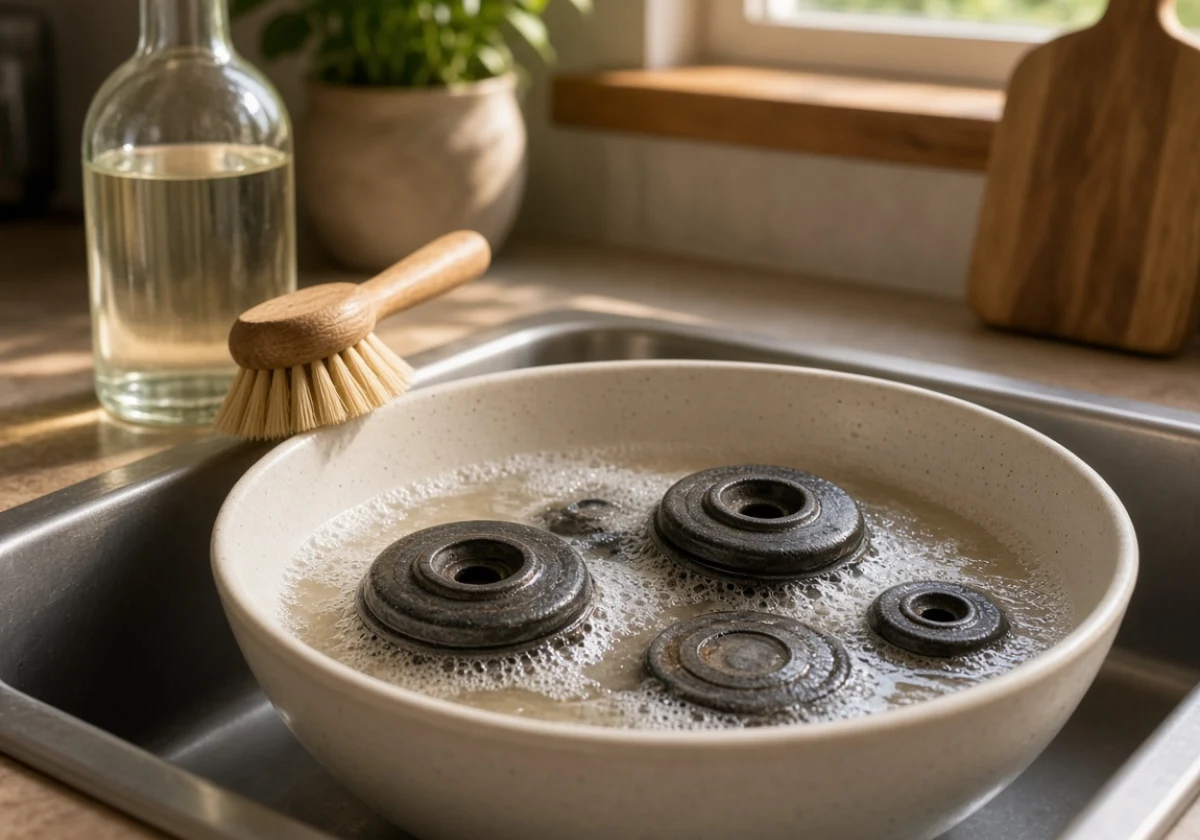
Once the burner has cooled completely, clean the removable caps with warm, soapy water. You can also use a little vinegar to help loosen stubborn residue. For the tiny burner holes, stick to a soft brush rather than a pin or needle. Sharp metal objects can damage the openings and affect how the burner works.
To make things easier, work through this checklist:
- Remove the grates and burner caps once they’re cool enough to handle.
- Soak removable parts in warm, soapy water to loosen grease and food residue.
- Gently clean accessible burner openings with a soft brush, following the manufacturer’s instructions.
- Check that the parts are clean and dry before putting them back.
- Make sure each burner cap sits flat and correctly on its base.
You don’t need to do more than necessary. Once you’ve cleaned and reassembled the burner, check whether the flame has returned to a steady blue. If it stays yellow, don’t try to adjust the air shutter yourself. Contact a licensed gas fitter to investigate the cause.
Note: Keeping your cooktop clean isn’t just about getting a steady blue flame. Energy Safe Victoria warns that dirty, old and unserviced gas cookers in poorly ventilated spaces carry an increased risk of carbon monoxide spillage.
Get Expert Help From a Licensed Gas Technician
As you can see, a yellow gas flame is a warning sign you shouldn’t ignore. If you notice one on your cooktop, use this guide to understand the possible causes and what you can safely do about them.
Still not sure what’s causing the problem? Contact the Blue Olive team. We’ll help you understand your options and find the right next step to get your cooktop working safely again.