
Kitchen design influences your appliance selection through the amount of room you have, the way you cook, and how your kitchen flows. Each one rules something out. So by the time you’re done, you know what your setup needs.
And yet, picking cooking equipment based on looks alone is one of the most common and costly mistakes homeowners make. A cooktop that’s too wide or an oven that clashes with your cabinetry is an expensive problem to fix after the fact.
To support you in designing your kitchen, we’ve put together everything you need to get this right the first time around. This guide covers your space, cooking habits, workflow, style, and the final checks before you buy.
Let’s get into it.
Kitchen Size and Appliance Selection
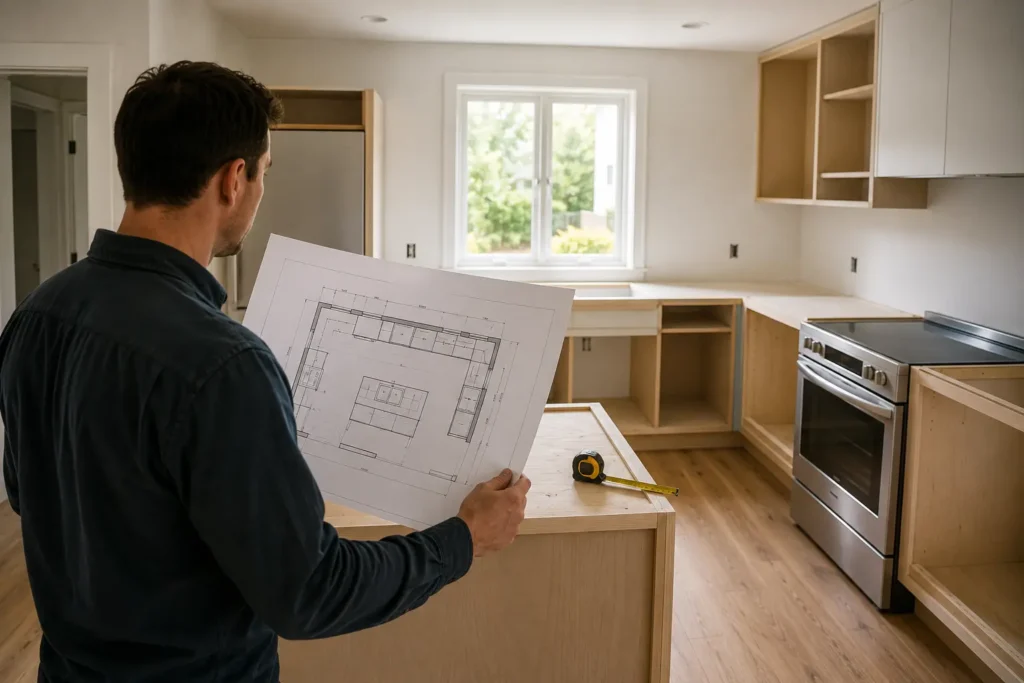
The amount of space in your room sets a hard limit on what you can buy, where things go, and how well everything works together. That’s why measurements come first, along with a clear idea of what works in a smaller space.
Measure Before You Shop
It’s easy to walk into a showroom knowing what you want but having no idea what will fit. Do yourself a favour and measure your kitchen dimensions properly first. Your floor space, any island, and storage areas all have a say in what fits and where it goes.
One wrong measurement and you’re up for costly reinstallation fees and kitchen cabinetry changes that could’ve been avoided.
Small Kitchens Need a Different Approach
The same logic applies even more in a smaller space. In a compact space, a freestanding oven outperforms a built-in setup for flexibility. We’d recommend sorting your storage and choosing your cooking setup from scratch, so your layout holds up without any expensive rethinking later.
Your space sets the boundaries, and from there, how you cook every day takes over.
How Your Cooking Habits Guide Kitchen Planning
Your kitchen routine tells you which equipment belongs in your room and which ones don’t. After working with homeowners across Brisbane, the most regretted purchases come down to buying for the lifestyle you wish you had.
Your kitchen habits probably align with one of these three profiles:
- Daily Light Cooking: A reliable gas cooktop and mid-sized oven cover most weeknight meals without overcomplicating your cooking space.
- Frequent Entertainer: For households that entertain regularly, more oven capacity and extra burners are what keep the night running smoothly.
- Importance of Style: Where you spend most of your time, the stovetop or the oven, tells you where your appliance budget should go.
The right fixtures are the ones that match how you cook at home. Anything else is just an expensive ornament taking up valuable bench space.
Workflow and Appliance Placement
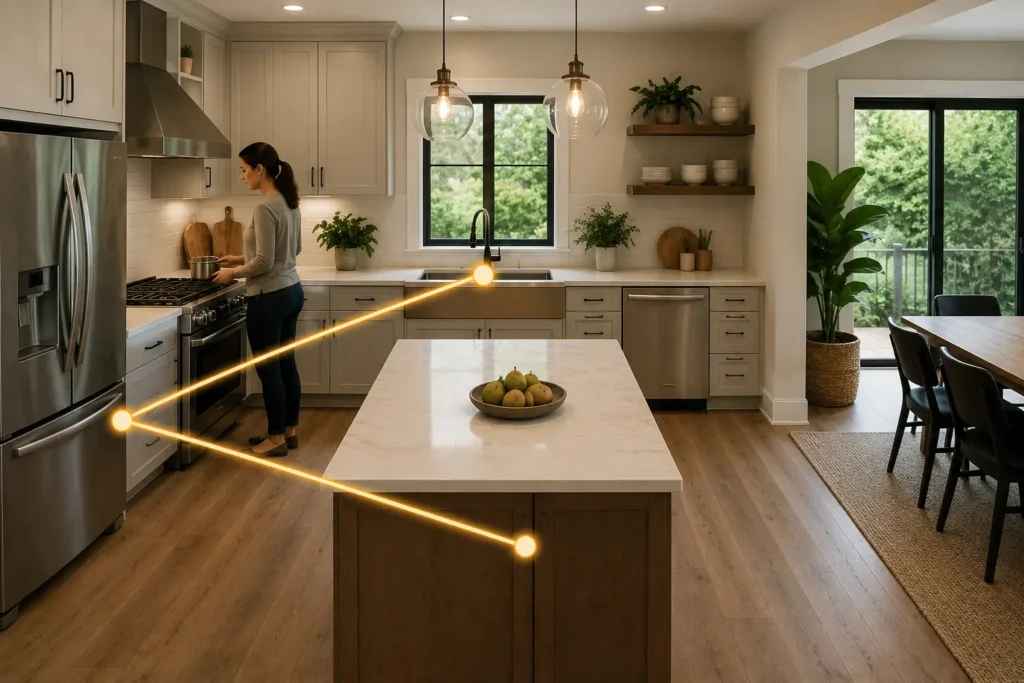
A good layout saves you time and helps create a kitchen that genuinely works for you. In practice, the work triangle connects your cooktop, sink, and fridge, keeping everything within a few easy steps of each other. A cooktop too far from your workspace breaks your flow, and a fridge in an awkward corner does the same (it’s a real safety concern).
For that reason, your layout should be sorted well before cabinetry gets locked in. Designers consistently recommend planning from scratch so every cooking gear and cabinet arrangement is deliberate.
A layout that works hard for you every day is one of the best investments you can make in your kitchen.
Matching Appliances to Your Kitchen Style
Your appliance finish, colour, and aesthetics all influence how cohesive the overall design looks. A dark stainless-steel cooktop in a white Hamptons kitchen, for example, immediately draws the eye in the wrong direction (stainless steel still dominates Australian homes).
Below, you’ll see the most common kitchen styles and what works in each one:
Kitchen Style | Recommended Finish | Appliance Type |
Modern | Black or dark stainless | Sleek freestanding or built-in |
Traditional | White or stainless steel | Classic freestanding ovens |
Coastal/Hamptons | White or brushed nickel | Clean-lined freestanding |
Industrial | Matte black or raw steel | Bold freestanding or commercial-style |
Black appliances aside, scale is equally important, and a large commercial-style cooktop or even certain electric ovens can overwhelm a compact space. At the end of the day, even a stylish home can feel off if the finish or scale of the kitchen equipment doesn’t fit.
Freestanding Ovens, Ventilation, and Gas Connections
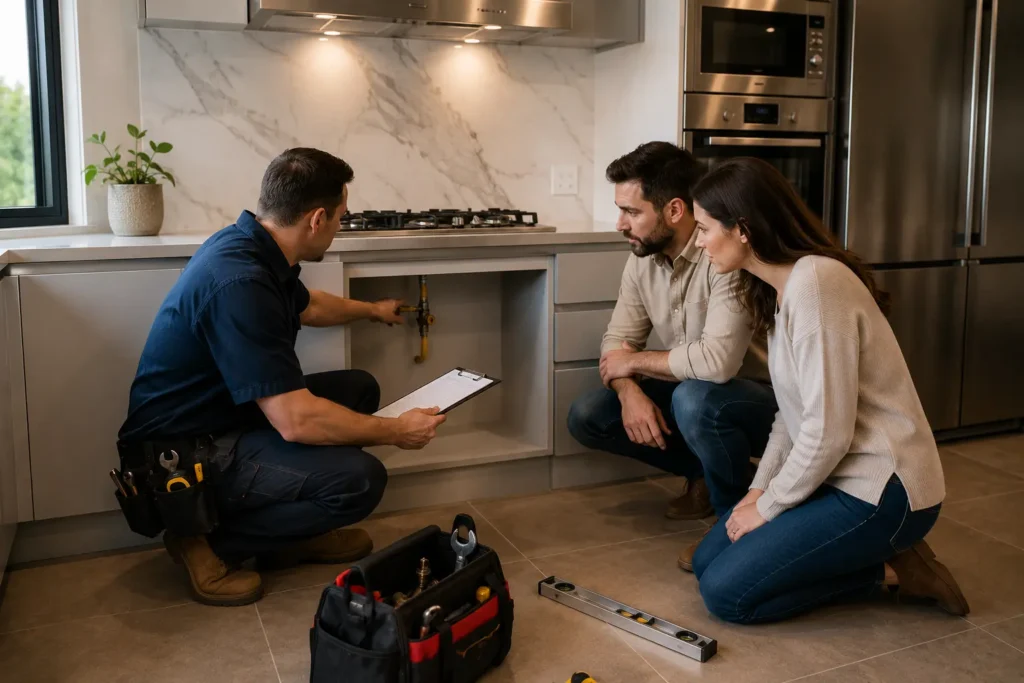
The right oven or cooktop means nothing if your kitchen space, ventilation, and gas connection aren’t ready for it. Each one needs to be confirmed before you order a single appliance.
- Floor Space and Clearance: Freestanding ovens need at least 650mm of overhead clearance between the cooktop and your rangehood. That number is non-negotiable. The exact clearance also varies by model, so check your floor space against the specs before you commit.
- Ventilation Requirements: Your rangehood extraction rate needs to match your cooktop’s output. Too little extraction means heat and steam linger, which can damage cabinetry, degrade your cooktop over time, and affect the overall functionality of your kitchen.
- Gas Connection Check: Not all existing gas lines can support a new appliance without modification. Your best move is to have a licensed gasfitter assess your line capacity early. An undersized connection affects both how well your oven or cooktop performs and how safe your kitchen is.
We hear this question a lot: where do I even start?
Our advice is to tackle the gas connection first, ventilation second, and floor clearance once you’ve locked in a model. A quick call to a licensed gasfitter before you buy can save you hundreds in unexpected installation costs.
Trust the process on this one, and your appliance goes in cleanly. Nothing gets held up.
Good Kitchens Don’t Happen by Accident
Now you know that a well-functioning home works best when the design and appliances are planned together. Stay mindful, though, because even one overlooked factor can make daily cooking more frustrating than it needs to be.
Between your space, how you cook, and your gas and ventilation requirements, you have a solid checklist to work through before anything gets ordered. Each one of those five plays a role in how well your space works.
At Blue Olive, we’ve built our range around what Australian homeowners need in their kitchens. Our team will review your kitchen requirements with you and narrow them down to the units that suit your space and cooking style.
The range is ready when you are.